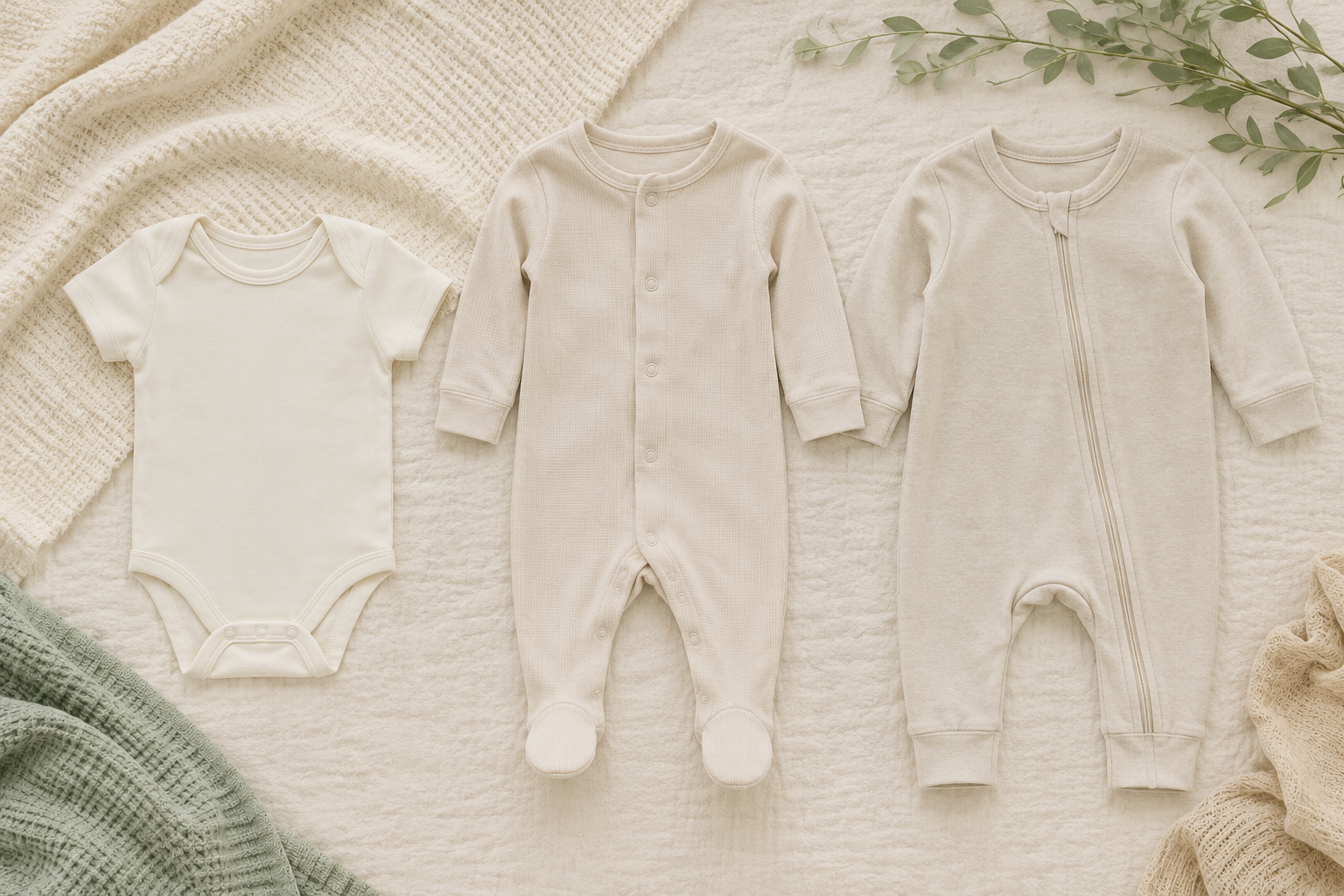
In the UK, a baby vest and a bodysuit usually mean the same thing: a close-fitting base layer that fastens underneath the nappy. A baby grow, babygrow or sleepsuit is normally a full-length one-piece outfit with legs and often enclosed feet. A vest can be worn underneath a baby grow when an extra layer is needed.
| Garment | What it covers | Typical use | Other common names |
|---|---|---|---|
| Baby vest | Body; short, long or sleeveless arms; no legs | Base layer or warm-weather outfit | Bodysuit, body |
| Bodysuit | Body; fastens beneath the nappy; no legs | Base layer | Baby vest |
| Baby grow | Body, arms and legs; often the feet | Daywear, sleepwear or coming-home outfit | Babygrow, sleepsuit |
| Romper | Body and usually short legs | Warm-weather outfit | Playsuit |
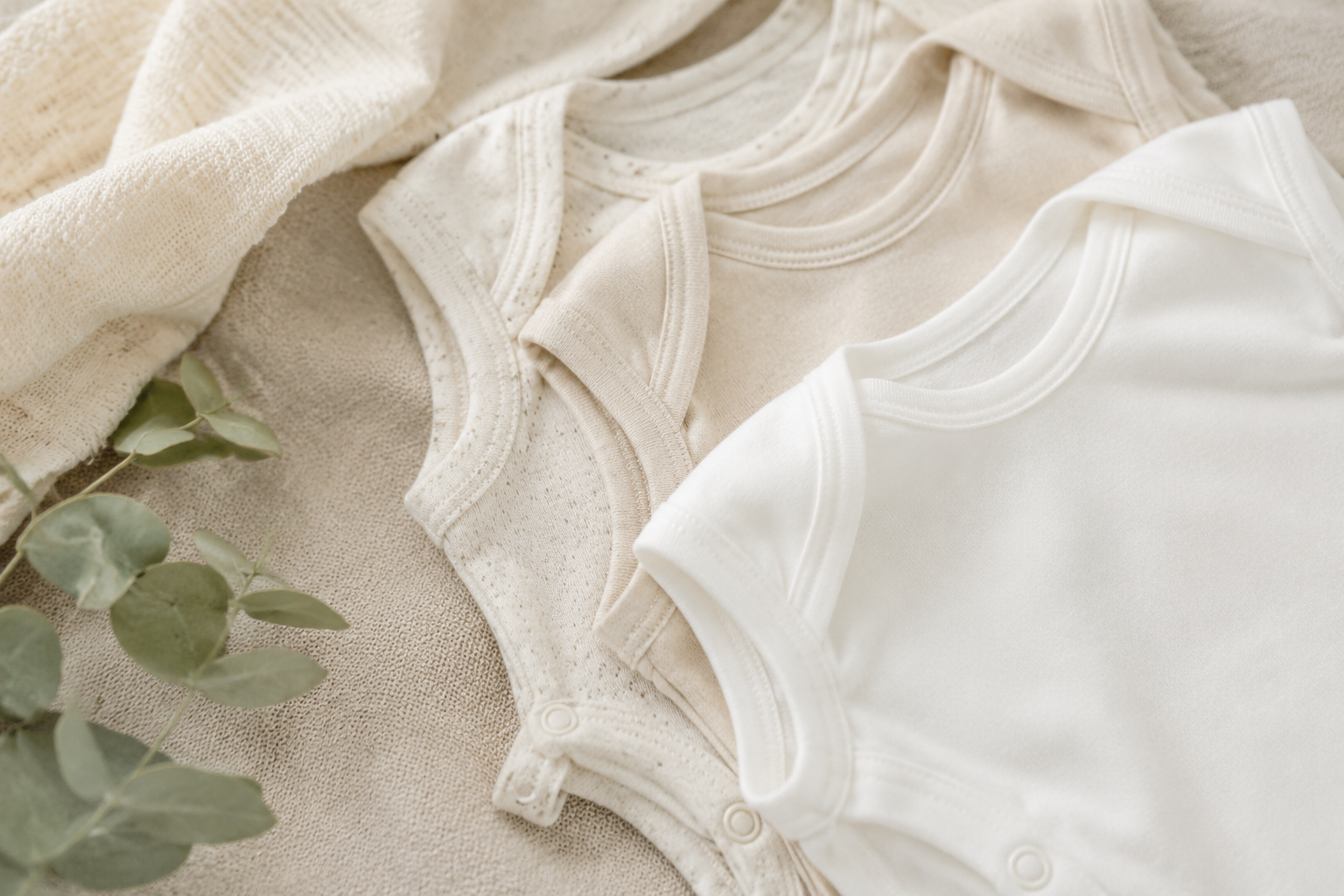
A baby vest is a one-piece base layer with poppers between the legs. It normally has no leg covering and may be sleeveless, short-sleeved or long-sleeved. The poppers help keep the garment in place and allow access during nappy changes. In British shops and conversations, “vest” and “bodysuit” are commonly used for the same garment.
Our personalised baby vests include name, announcement and milestone designs. For practical quantities, read how many vests a newborn needs.
A baby bodysuit is the same basic garment as a vest: it covers the torso and fastens underneath the nappy. “Bodysuit” is widely used by retailers, while many UK parents simply say “vest”. Product wording varies, so check the photographs and description rather than relying only on the name.
A baby grow is a full-length one-piece garment. It usually covers the body, arms and legs, and many designs also cover the feet. “Babygrow”, “baby grow” and “sleepsuit” are often used interchangeably in the UK, although individual products can differ in fabric weight, fastening and foot coverage.
Browse our personalised baby grows for newborn outfits, announcements and gifts.
The easiest way to tell them apart is to look at the legs. A vest or bodysuit finishes around the nappy area. A baby grow continues down the legs and often covers the feet. This means a vest is usually used as a base layer, while a baby grow can act as the baby’s main outfit.
Sometimes. A vest is commonly layered under a baby grow, but the right number of layers depends on the room, the weather, the fabric and the individual baby. Avoid relying on cold hands or feet alone when checking comfort. Our dedicated guide explains when a baby may wear a vest under a babygrow. For safer-sleep and temperature advice, follow current NHS newborn clothing guidance.
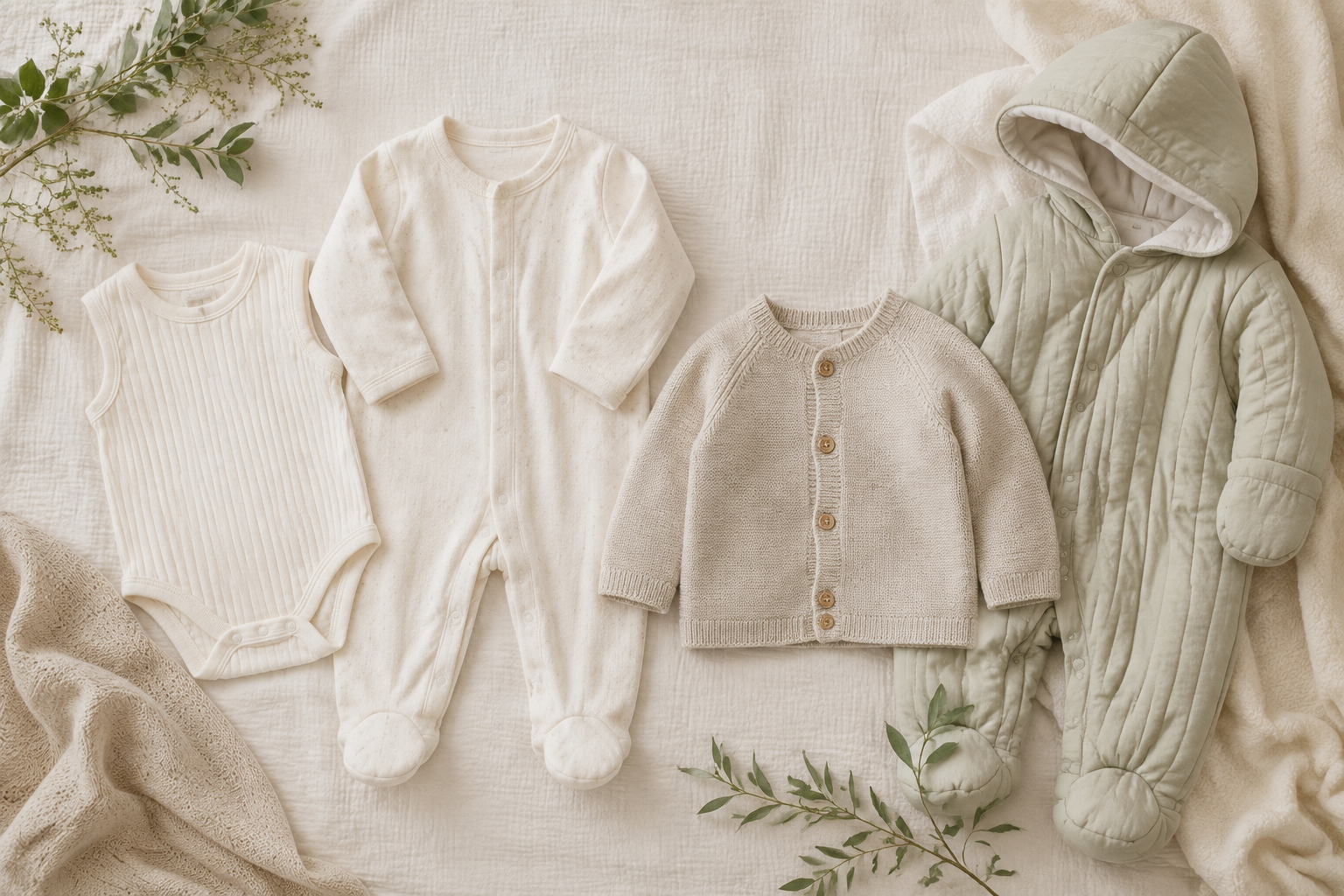
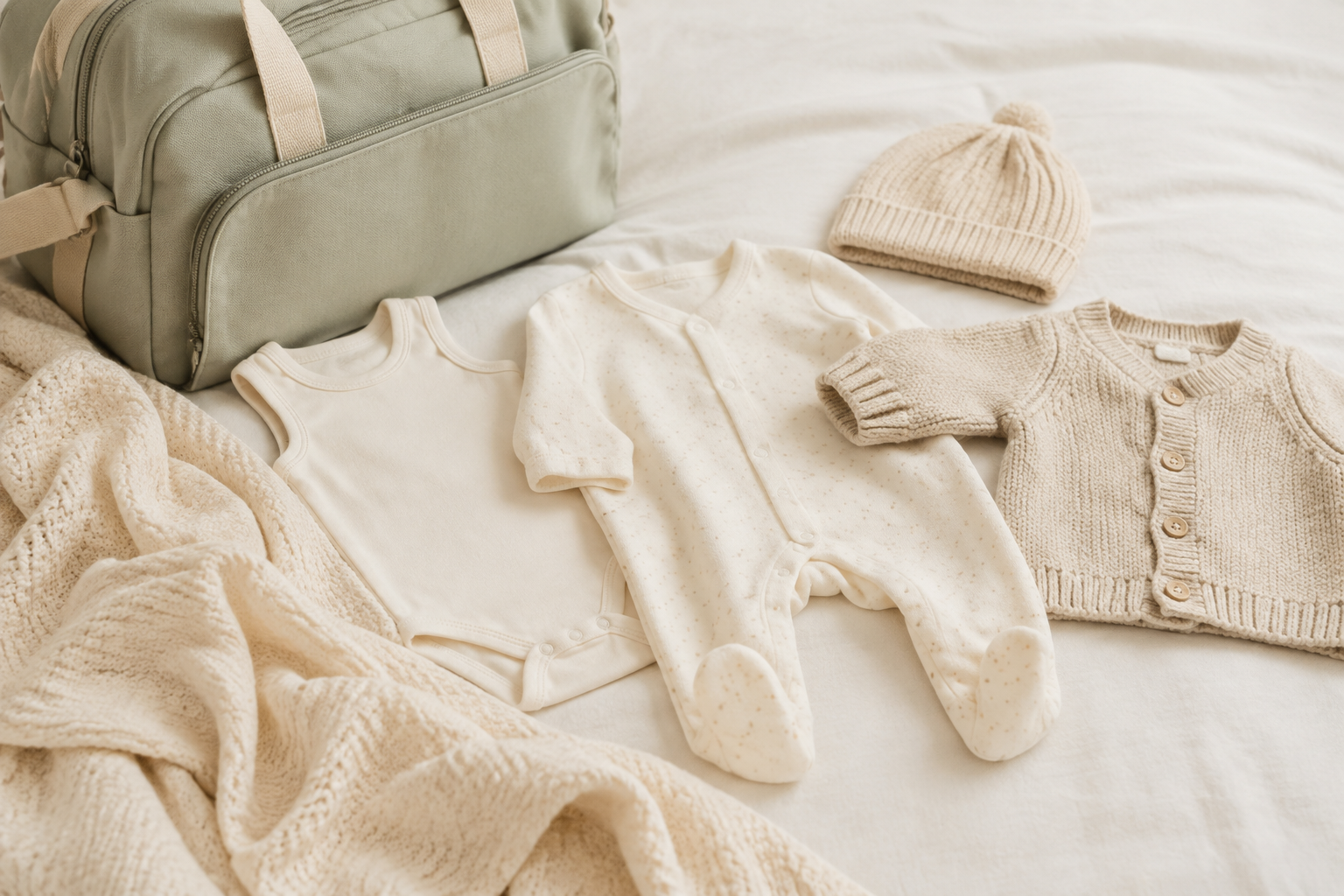
Most newborn wardrobes contain both vests and baby grows. Vests provide flexible base layers, while baby grows provide fuller coverage and can be used during the day or at night. The number required depends on washing frequency and how often clothes need changing.
Use our complete newborn-clothes checklist for quantities and seasonal considerations, or explore the personalised newborn clothes hub for vests, baby grows, bibs, blankets and pyjamas.
Usually, yes. In UK baby-clothing language, both commonly describe a one-piece base layer that fastens underneath the nappy and has no legs.
The terms are often used interchangeably in the UK for a full-length one-piece garment. Check whether the individual style has enclosed feet and whether it is intended for daywear, sleepwear or both.
A baby vest covers the torso and fastens under the nappy but has no legs. A babygrow covers the torso and legs and often covers the feet, making it a fuller outfit.
In comfortably warm conditions, a vest may be suitable as the baby’s main clothing layer. Choose clothing for the conditions and check the baby is comfortable without becoming too warm.